osteoarthritis ayurvedic treatment

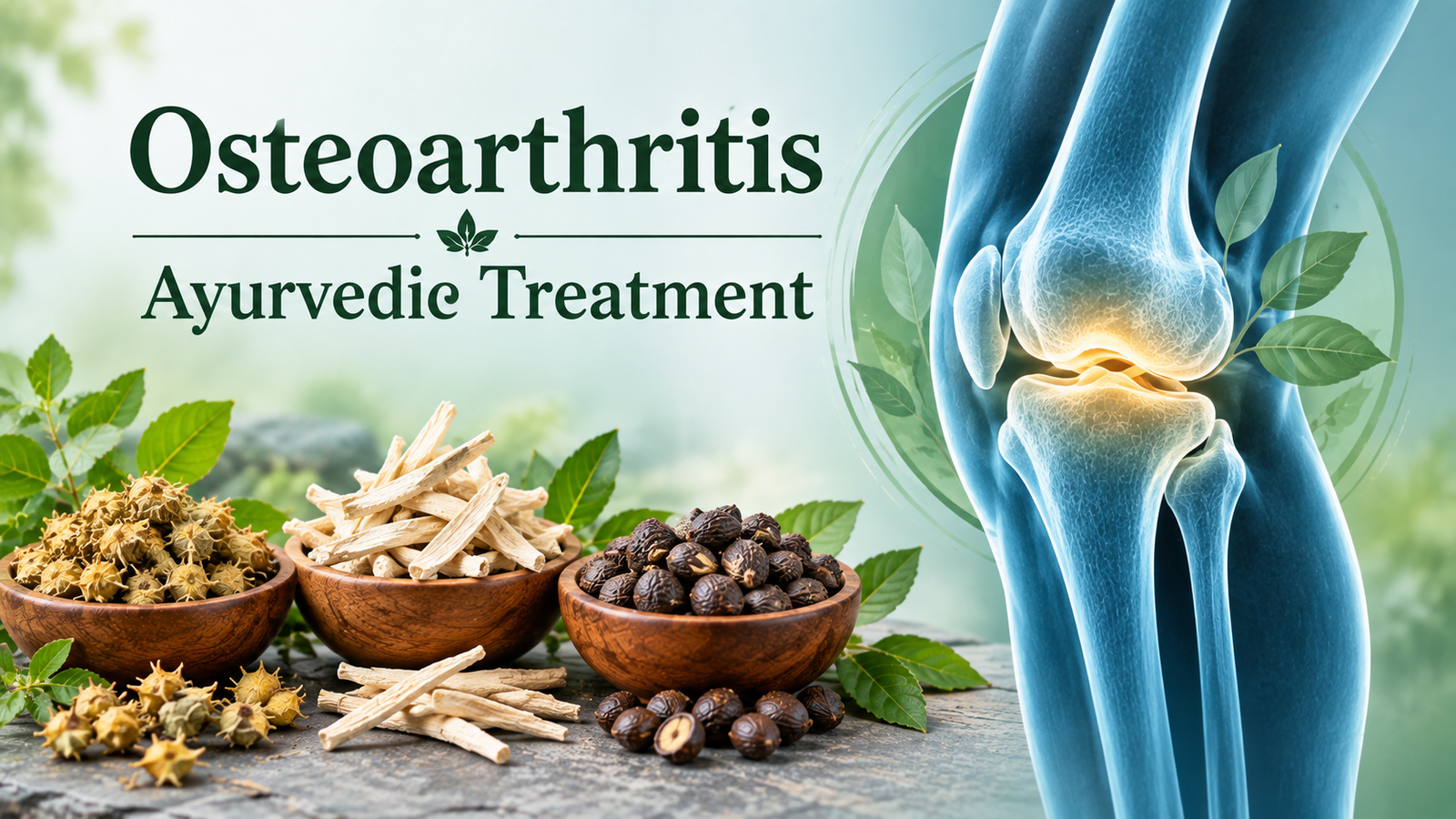
Osteoarthritis Ayurvedic Treatment

Osteoarthritis Ayurvedic Treatment: Restoring Joint Health Naturally

Osteoarthritis (OA) is a degenerative joint condition caused by the gradual wearing down of cartilage, leading to bone-on-bone friction, pain, and reduced flexibility. It’s the most common form of arthritis, typically affecting the knees, hips, hands, and spine as people age. In Ayurveda, this condition falls under Sandhivata, caused by an imbalance of Vata dosha that depletes joint lubrication, known as Sleshaka Kapha. Where conventional medicine largely manages OA through pain relief and eventual joint replacement, Ayurveda offers a therapeutic path aimed at slowing degeneration and restoring the joint’s natural cushioning.

Osteoarthritis Ayurvedic Treatment: Restoring Joint Health Naturally

Osteoarthritis (OA) is a degenerative joint condition caused by the gradual wearing down of cartilage, leading to bone-on-bone friction, pain, and reduced flexibility. It’s the most common form of arthritis, typically affecting the knees, hips, hands, and spine as people age. In Ayurveda, this condition falls under Sandhivata, caused by an imbalance of Vata dosha that depletes joint lubrication, known as Sleshaka Kapha. Where conventional medicine largely manages OA through pain relief and eventual joint replacement, Ayurveda offers a therapeutic path aimed at slowing degeneration and restoring the joint’s natural cushioning.

Understanding the Root Cause

Unlike conventional medicine, which primarily targets symptoms once cartilage loss has already occurred, Ayurveda looks upstream to the factors that dry out and deplete the joint in the first place. Every joint relies on Sleshaka Kapha — a specific subtype of Kapha dosha responsible for maintaining synovial fluid and cartilage integrity. When Vata becomes aggravated, its dry, light, and mobile qualities directly oppose and diminish this lubricating Kapha, leaving the joint vulnerable to friction and wear.

Several factors are considered major contributors to this imbalance:

  • Weak digestion (Agnimandya): Poor metabolic fire prevents proper tissue nourishment, meaning cartilage doesn’t receive the nutrients it needs to repair and regenerate.
  • Aging: As a natural life stage governed by Vata (the Vata-predominant phase of life, or Vata Kala), the body’s tissues naturally become drier and more prone to degeneration with age.
  • Obesity: Excess body weight places continuous mechanical stress on weight-bearing joints, accelerating cartilage breakdown.
  • Repetitive joint stress: Occupational overuse, high-impact activity, or old injuries can wear down specific joints faster than the body can repair them.

Herbal Treatment

Ayurvedic herbal therapy for osteoarthritis focuses on three simultaneous actions: protecting existing cartilage, reducing inflammation, and strengthening the surrounding musculoskeletal tissue.

  • Shallaki (Boswellia serrata) is the primary herb used for cartilage protection. Its active compounds help maintain joint structure and slow further degeneration, making it especially valuable in the earlier stages of OA.
  • Guggulu provides strong anti-inflammatory action, helping to reduce the swelling and discomfort that often accompany worn, irritated joints.
  • Ashwagandha supports overall tissue strength and resilience, helping the body better withstand the mechanical stress that contributes to cartilage wear.

Externally, medicated oils play an equally important role in daily management. Mahanarayan Taila, a classical Vata-pacifying oil, and Sahacharadi Taila, known for its specific benefit to joints and nerves, are commonly used for daily self-massage to keep tissues lubricated between clinical Panchakarma sessions.

Panchakarma Therapies for Osteoarthritis

Panchakarma remains the most powerful tool in the Ayurvedic approach to osteoarthritis, offering therapeutic depth that oral herbs and home massage cannot match on their own.

  • AbhyangaSwedana: Warm oil massage (Abhyanga) is performed first to lubricate and soften stiff tissue, followed immediately by herbal steam therapy (Swedana). Together, they relax stiff joints, improve local circulation, and prepare the body for deeper therapies.
  • Janu Basti: For knee osteoarthritis — one of the most commonly affected joints — a dam of dough is built around the knee and filled with warm medicated oil. This allows the oil to be retained directly over the joint for an extended period, deeply nourishing the cartilage and surrounding capsule in a way that surface massage cannot achieve.
  • Patra Pinda Sweda: A herbal leaf poultice, warmed and bundled into boluses, is used to massage affected joints. This therapy effectively reduces inflammation and pain while also improving local tissue circulation.
  • Basti Karma: Medicated enemas correct Vata imbalance at its root in the colon, addressing the systemic dosha disturbance that drives joint degeneration rather than only treating the local symptoms.

Diet Recommendations

Diet is a foundational pillar of osteoarthritis management in Ayurveda, since ongoing joint nourishment depends heavily on what is consumed and how well it is digested. An anti-inflammatory diet built around warm soups, ghee, and Vata-pacifying spices such as cumin, ginger, and fenugreek helps support joint lubrication while keeping digestive fire strong.

Certain habits are best avoided altogether: cold drinks and iced beverages aggravate Vata directly, curd eaten at night is considered particularly heavy and Kapha-disturbing in Ayurvedic dietetics, and excessive fasting can weaken tissue nourishment over time, worsening the very dryness osteoarthritis patients need to correct.

Lifestyle Tips

Movement remains essential for joint health, but it must be the right kind of movement. Low-impact exercises like swimming and walking allow joints to stay mobile and well-circulated without the jarring stress that aggravates cartilage wear. Joint-specific yoga asanas, practiced gently and consistently, further support flexibility and strength in the muscles surrounding affected joints.

Perhaps most importantly, regular Panchakarma sessions — ideally aligned with seasonal transitions, when Vata naturally fluctuates — can significantly slow disease progression. Rather than treating osteoarthritis only when symptoms flare, this proactive, seasonal approach to Panchakarma helps maintain joint lubrication year-round and meaningfully improves long-term quality of life for osteoarthritis patients

ayurvedic treatment for dandruff

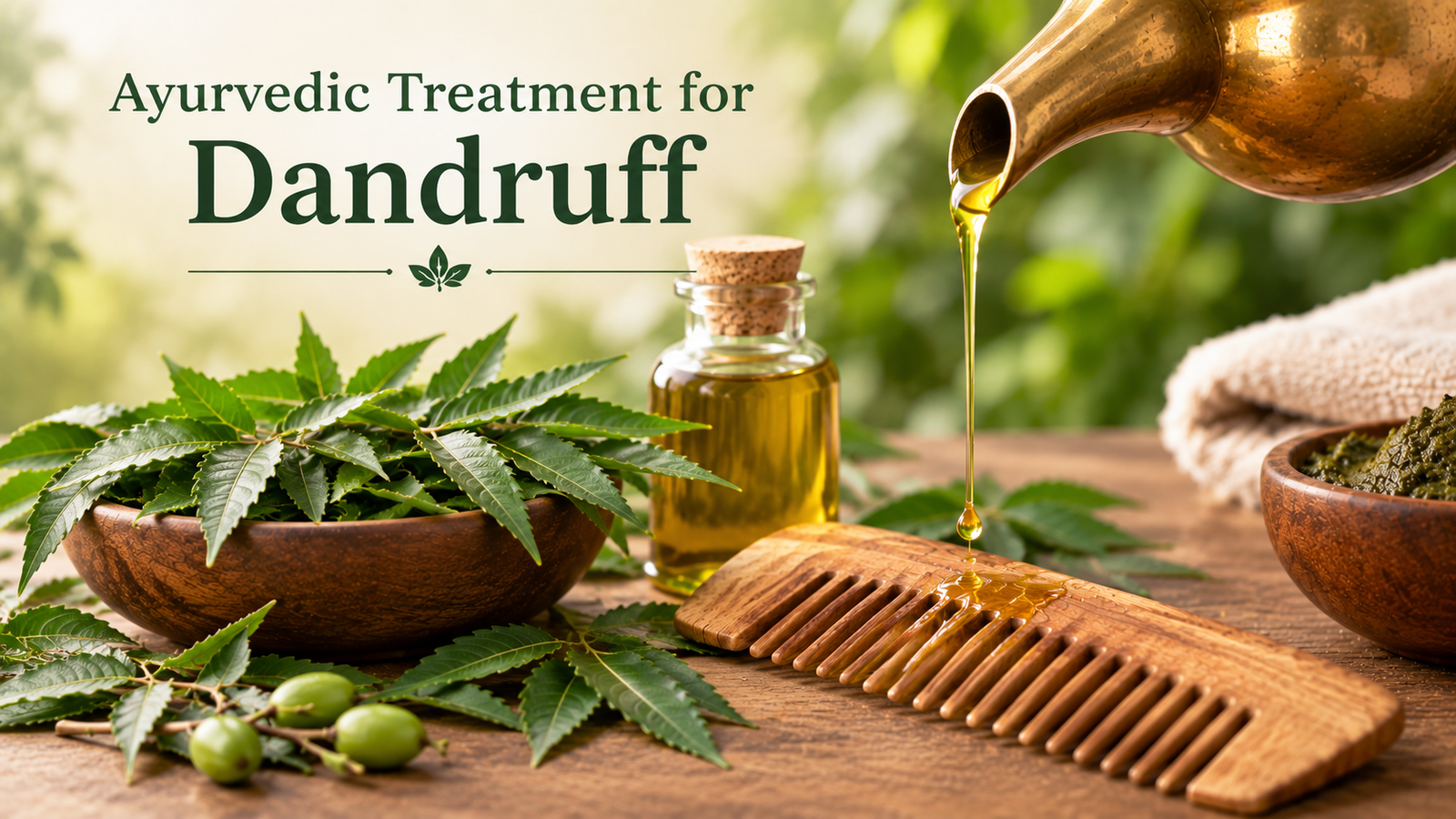
Ayurvedic treatment for Dandruff

Ayurvedic Treatment for Dandruff: Understanding Darunaka and How Panchakarma Restores Scalp Balance

Persistent white flakes and an itchy scalp — what Ayurveda calls Darunaka — are one of the most common complaints I hear in clinic, and one of the most misunderstood. Most patients arrive having cycled through three or four anti-dandruff shampoos, frustrated that the flaking always returns within weeks of stopping. I tell them the same thing every time: dandruff is more than a cosmetic annoyance. It’s a sign that something in the scalp’s oil production and skin renewal process has fallen out of balance — and no shampoo, however strong, can correct that on its own.

The Ayurvedic Understanding of Dandruff

In Ayurvedic terms, dandruff results from vitiated Kapha and Vata doshas affecting the sebaceous glands of the scalp. This is why I always ask patients to describe their flakes carefully, because the presentation tells me which dosha is dominant. Vata-type flaking tends to be dry, fine, and accompanied by a tight, itchy scalp. Kapha-type flaking, on the other hand, is oilier, with larger, clumpier flakes and a scalp that feels congested rather than dry. In both cases, poor scalp hygiene and stress tend to accelerate the condition, which is why I look at lifestyle just as closely as I look at the scalp itself.

Panchakarma Solutions I Recommend

Once I’ve identified which dosha is driving a patient’s dandruff, I build a Panchakarma-based protocol around it rather than defaulting to a single generic treatment.

Shiroabhyanga A warm oil scalp massage — typically with neem or bhringraj oil depending on the dosha involved — is usually the first therapy I introduce. It balances oil production at the source and soothes the irritation that makes patients reach for their nails in the first place.

Nasya For Kapha-dominant dandruff, I often add Nasya to the protocol. By clearing Kapha accumulation in the head region through the nasal passage, this therapy indirectly reduces the scalp congestion that feeds persistent, clumpy flaking.

Swedan (Localized Steam) Following oil massage, gentle localized steam opens the scalp’s pores, allowing the medicated oils to absorb more deeply rather than simply sitting on the surface. Patients are often surprised at how much more effective their oil treatments feel once steam is added to the routine.

Virechana For chronic, recurrent cases that keep coming back despite good scalp hygiene, I recommend Virechana. This internal detoxification therapy resets the underlying dosha imbalance driving the dandruff, rather than just managing the flakes on the surface month after month.

Herbal Remedies

Alongside these therapies, I rely heavily on a core group of herbs: neem, bhringraj, tea tree-infused herbal oils, and fenugreek (methi). Each has a role — neem and tea tree control the microbial and irritant factors, bhringraj nourishes the scalp and follicles, and fenugreek helps soothe inflammation and flaking when used as a paste or oil infusion.

Diet & Lifestyle Guidance

I always pair in-clinic treatment with practical daily changes. Reducing sugar and processed food intake, staying well hydrated, and switching from harsh sulfate shampoos to mild, herbal cleansers all make a measurable difference in how quickly the scalp stabilizes — and, more importantly, how long the results last.

Relief That Outlasts the Shampoo Bottle

Ayurvedic dandruff treatment through Panchakarma isn’t about a stronger anti-dandruff formula — it’s about rebalancing the scalp’s oil production naturally, at the level of the dosha imbalance actually causing the problem. That’s what allows the relief to outlast a one-time wash and hold up over the long term.

If dandruff keeps returning no matter what you’ve tried, I’d encourage you to look at it as a scalp-balance issue rather than a shampoo problem. Book a consultation at Dr. Narkhede Ayurved & Panchkarma Clinic, and let’s build a treatment plan suited to your scalp’s specific imbalance.

This content is for informational purposes only and is not a substitute for professional medical advice. Please consult Dr. Sagar Narkhede or a qualified Ayurvedic practitioner before beginning any Panchakarma therapy.

ayurvedic treatment for bloating and gas

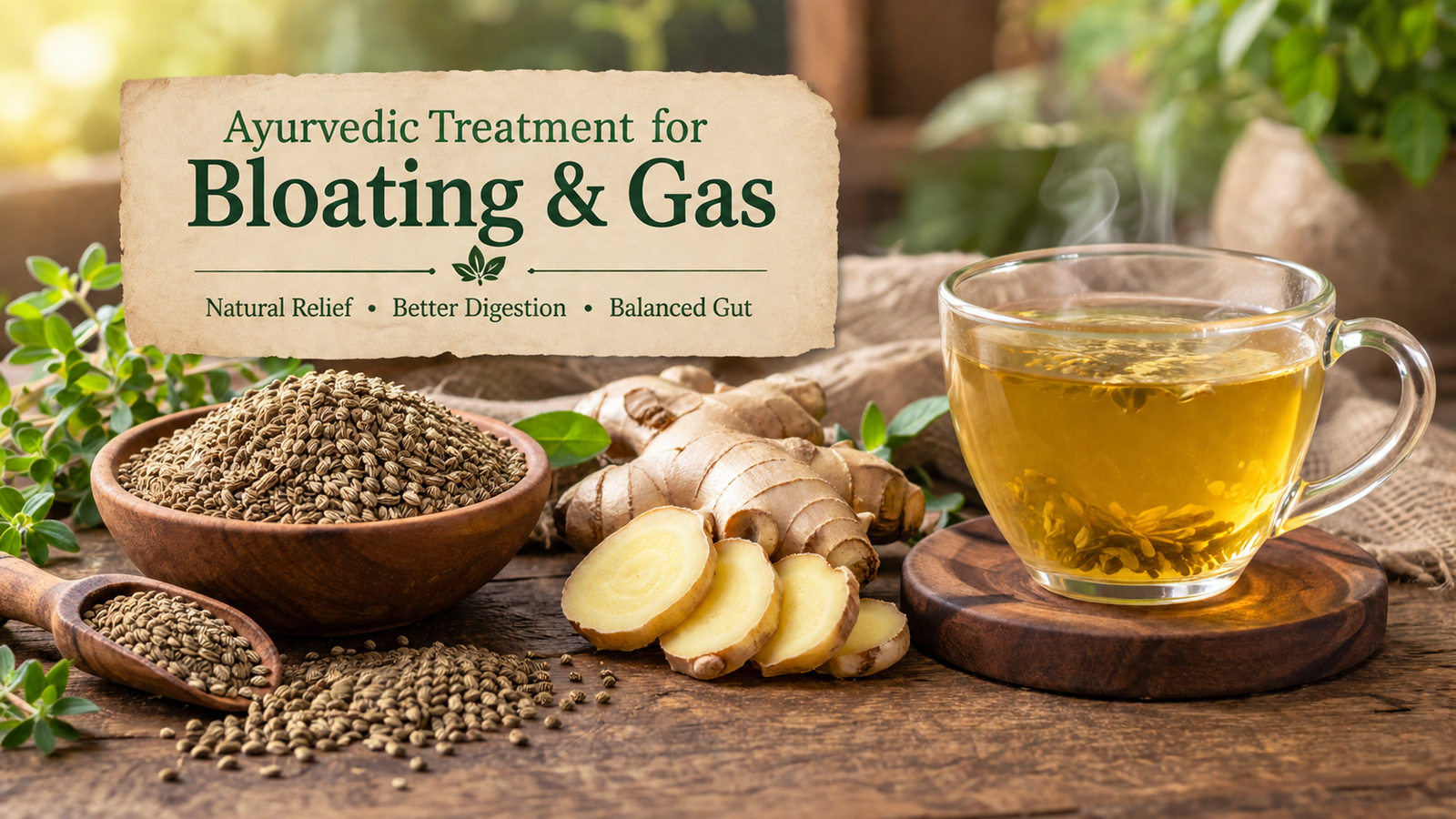
Ayurvedic treatment for Bloating and Gas

Ayurvedic Treatment for Bloating and Gas — Say Goodbye to Discomfort

That tight, heavy feeling in your stomach after a meal, followed by uncomfortable gas that just won’t pass — it’s a complaint almost everyone deals with at some point. While it’s tempting to blame a specific food, Ayurveda looks a little deeper. Bloating and gas are usually signs of weak digestive fire (Agnimandya) and accumulated toxins (Ama) sitting undigested in the gut. This is exactly why ayurvedic treatment for bloating and gas doesn’t stop at symptom relief — it targets the underlying digestive weakness so the discomfort has less reason to keep returning.

Why It Happens

Before reaching for a remedy, it helps to understand what’s actually going on inside. According to Ayurveda, several everyday habits quietly impair digestion and set the stage for trapped gas:

  • Eating too fast — food isn’t chewed properly, making it harder for Agni to break it down.
  • Combining incompatible foods — certain food pairings are considered difficult for the gut to process together.
  • Overeating — even healthy food, in excess, can overwhelm digestive capacity.
  • Consuming excess raw or cold food — these are naturally heavier to digest and can dampen Agni over time.

Any one of these habits, repeated often enough, can leave undigested food sitting in the gut — fermenting, producing gas, and causing that all-too-familiar bloated feeling.

Effective Remedies for Bloating and Gas

Once you know why bloating happens, the next step is supporting digestion directly. These time-tested remedies form the core of most ayurvedic treatment for bloating and gas protocols:

  • Ajwain (Carom seeds): Chew a pinch with a little salt after meals. This simple combination is one of Ayurveda’s fastest-acting remedies for immediate relief from gas.
  • Ginger tea: A warm cup after meals helps kindle Agni and reduces further gas formation.
  • Hing (Asafoetida): Just a pinch added to cooking — especially with legumes and lentils, which are naturally gas-forming — can prevent bloating before it even starts.
  • Jeera (Cumin) water: Boil cumin seeds in water and sip throughout the day to keep digestion steady and gentle.
  • Trikatu Churna: A classical blend of ginger, black pepper, and long pepper, known for stimulating sluggish digestion and helping the body process food more efficiently.

Key Panchakarma Therapies for Bloating and Gas

A well-planned panchakarma treatment for bloating and gas usually draws from the following therapies:

  • Virechana (Therapeutic Purgation): Especially effective when bloating is linked to excess Pitta or accumulated toxins in the intestines. It cleanses the digestive tract thoroughly, giving Agni a genuine reset.
  • Basti (Medicated Enema): Considered the single most effective Panchakarma therapy for Vata-related digestive issues — including gas, bloating, and irregular bowel movements — since Vata governs the colon and downward movement of gas and stool.
  • Udvartana (Herbal Powder Massage): Stimulates circulation and metabolism, indirectly supporting better digestion and reducing sluggishness that contributes to bloating.
  • Abhyanga (Warm Oil Massage) with Swedana (Herbal Steam): Often used as preparatory therapies before the main Panchakarma procedures, helping loosen deep-seated Ama so it can be eliminated more effectively.

Dietary Guidelines to Prevent Bloating

Alongside these remedies, a few consistent dietary habits make a significant difference in keeping bloating at bay:

  1. Eat warm, freshly cooked meals rather than cold, leftover, or raw-heavy food.
  2. Avoid carbonated drinks and heavily processed foods, both of which are known gas-formers.
  3. Chew your food thoroughly — digestion begins in the mouth, and rushing through a meal only adds to the digestive burden.
  4. Eat in a calm environment, away from stress or distraction, so your body can focus fully on digesting.

A Simple Daily Habit That Helps

One of the easiest additions to your routine is also one of the most effective: a short walk after meals. Just 10–15 minutes of gentle movement helps food move through the digestive tract smoothly and prevents gas from building up. If a walk isn’t possible, sitting in Vajrasana (a simple kneeling pose) for a few minutes after eating is a uniquely Ayurvedic practice believed to directly support digestion right after a meal.

The Takeaway

Bloating and gas may feel like minor, everyday annoyances, but they’re often your body’s way of signaling that Agni needs support. The good news is that relief doesn’t require anything drastic — just consistent, mindful ayurvedic treatment for bloating and gas through the right herbs, simple dietary discipline, and small daily habits like a post-meal walk.

Stick with these practices, and most people notice a dramatic reduction in bloating within just a few days — restoring a sense of comfort and lightness after every meal.

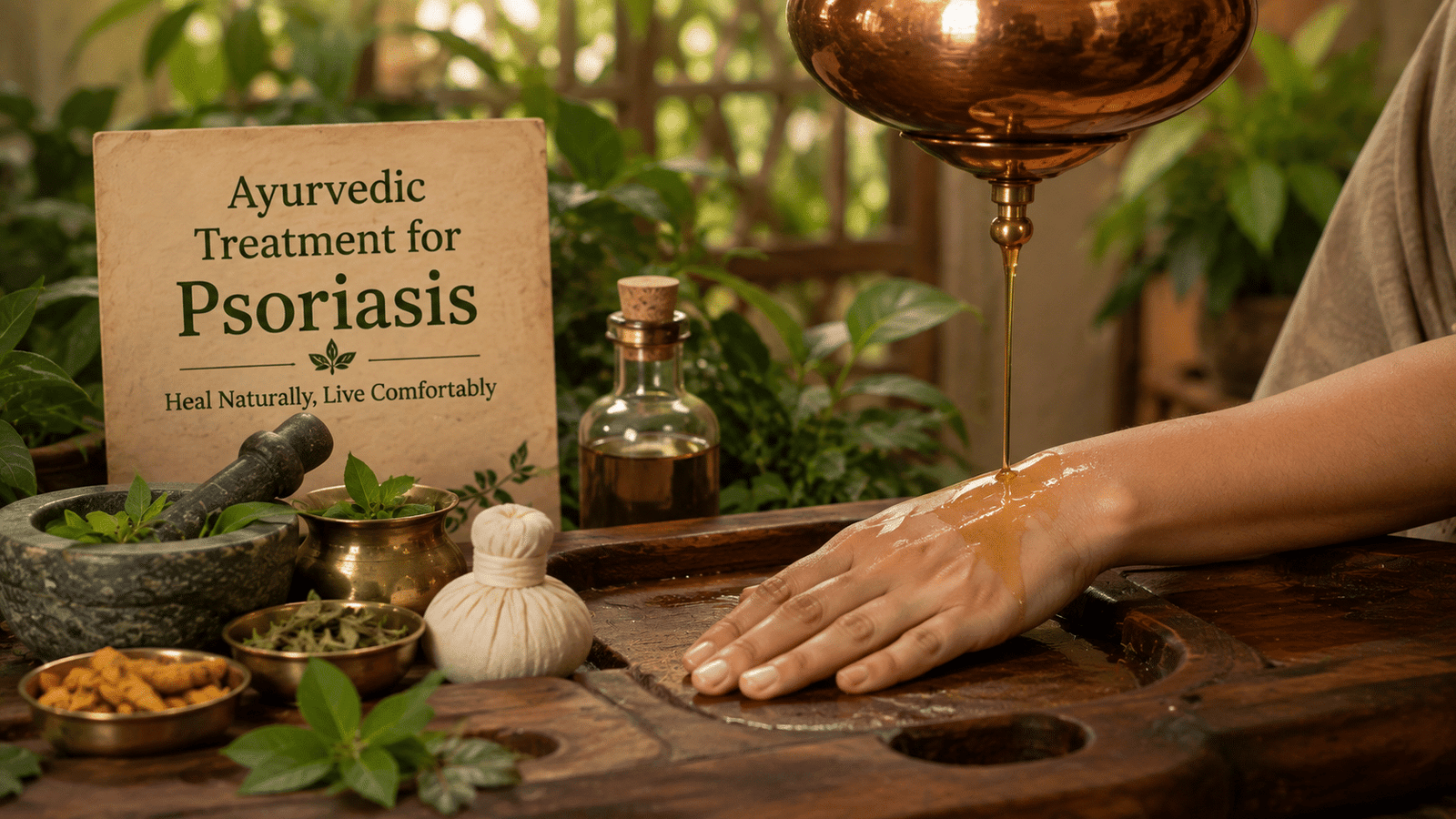
Ayurvedic treatment for Psoriasis

Ayurvedic Treatment for Psoriasis: A Root-Cause Approach with Panchakarma

Psoriasis is one of the most challenging conditions I see in clinic — not because it’s rare, but because of how deeply it wears on patients over time. It’s a chronic, often frustrating autoimmune skin condition marked by thick, silvery, scaly patches that can appear on the elbows, knees, scalp, or across large areas of the body. Most patients who walk through my door have already tried the modern route — steroid creams, immunosuppressants, phototherapy — and while these can manage a flare-up, they rarely offer a permanent solution. That’s exactly why more and more patients are turning to Ayurveda: not as a last resort, but as a genuine root-cause approach.

Understanding Diabetes the Ayurvedic Way: What Is Madhumeha?

In classical Ayurvedic texts, diabetes is known as Madhumeha, and it is classified among the twenty types of Prameha (urinary disorders). It is directly linked to poor lifestyle choices, excess Kapha dosha, and impaired Agni (digestive fire).

What sets the Ayurvedic understanding apart is its scope. Ayurveda views diabetes not merely as a blood sugar issue, but as a systemic breakdown in metabolic regulation — one that affects digestion, tissue nourishment, and the body’s ability to process nutrients at every level. This is why an isolated focus on blood sugar numbers often falls short of addressing the full picture, and why our approach at Dr. Narkhede Ayurved & Panchkarma Clinic looks at the person as a whole.

The Ayurvedic Perspective on Psoriasis

In Ayurveda, psoriasis is classified under Kitibha and Kushtha — a category of skin disorders caused by the vitiation of all three doshas, with Vata and Kapha playing the dominant roles alongside Pitta. I explain it to my patients this way: Kapha contributes the thickness and scaling, Vata contributes the dryness and cracking, and Pitta contributes the underlying inflammation and redness at the base of each plaque.

What ties all of this together is the accumulation of deep-seated toxins, or Ama, in the skin and blood tissues. This toxic buildup disrupts the natural renewal cycle of skin cells, causing them to multiply and shed far faster than normal — which is exactly what produces the characteristic thick, silvery plaques of psoriasis. Understanding this is important, because it reframes the goal of treatment: we’re not just trying to calm the surface, we’re trying to clear the Ama and restore the natural rhythm of skin renewal.

The Panchakarma Protocol I Follow for Psoriasis

Because psoriasis involves all three doshas, I rarely rely on a single therapy. A well-designed Panchakarma protocol is layered, addressing each dosha in turn:

Vamana (Therapeutic Emesis) When Kapha dominance is driving thick, heavily scaled plaques, I recommend Vamana. This therapy clears excess mucus and toxins from the upper body, directly targeting the Kapha component responsible for the density and buildup of the plaques.

Virechana (Purgation) To address the Pitta component — the heat and inflammation beneath the scaling — I use Virechana, a therapeutic purgation that purifies the blood and liver. Since the liver plays a central role in blood quality, this step is often pivotal in reducing redness and preventing new plaques from forming.

Basti (Medicated Enemas) Vata governs the dryness and cracking that make psoriasis so uncomfortable, and because Vata’s primary seat in the body is the colon, Basti therapy is essential. Medicated enemas balance Vata systemically and nourish the skin tissues from within, helping reduce the painful cracking many patients experience.

Takradhara One of the most soothing therapies in this protocol, Takradhara involves pouring a continuous stream of medicated buttermilk over the body. It calms active inflammation on the skin while also having a deeply calming effect on the nervous system — which matters enormously, since psoriasis so often flares during periods of emotional stress.

Supportive Herbs

Alongside Panchakarma, I build in herbal support to reinforce the internal detox process. Khadira, manjistha, neem, turmeric, and guggulu are the herbs I reach for most consistently — each known for its blood-purifying and scale-reducing properties. Used together, they support the skin’s healing process well beyond what topical treatment alone can achieve.

Diet & Lifestyle Guidance

I spend a good portion of every psoriasis consultation on diet, because certain foods can quietly undo weeks of good treatment. I advise patients to avoid curd, sour foods, seafood, and incompatible food combinations — all of which are believed to aggravate the condition in Ayurveda. Equally important is stress management through yoga and meditation, since emotional stress is one of the most consistent flare triggers I see in practice.

A Gentler, More Sustainable Path

Psoriasis rarely responds to a single cream or a short course of treatment — and in my experience, patients who understand this from the outset tend to see the most meaningful, lasting improvement. Panchakarma-based psoriasis care at Dr. Narkhede Ayurved & Panchkarma Clinic focuses on long-term dosha balance rather than only suppressing symptoms, offering a gentler, more sustainable path to calmer, healthier skin.

If psoriasis has been a long-standing struggle for you, I’d encourage you to explore a treatment approach that looks beyond the surface. Book a consultation with us, and let’s work together to understand what your skin is telling you about your body’s deeper balance.

This content is for informational purposes only and is not a substitute for professional medical advice. Please consult with us or a qualified Ayurvedic practitioner before beginning any Panchakarma therapy.

ayurvedic treatment for diabetes

Ayurvedic treatment for Diabetes

Ayurvedic Treatment for Diabetes: Restoring Balance Beyond Blood Sugar

Diabetes is one of the most widespread lifestyle disorders of our time, and for most patients, managing it feels like a lifelong balancing act of medication, diet, and monitoring. At Dr. Narkhede Ayurved & Panchkarma Clinic, we often meet patients looking for something more — a way to support their body’s own regulatory systems, not just manage numbers on a glucometer. Ayurveda offers exactly that: a systemic, root-cause approach that has been refined over thousands of years.

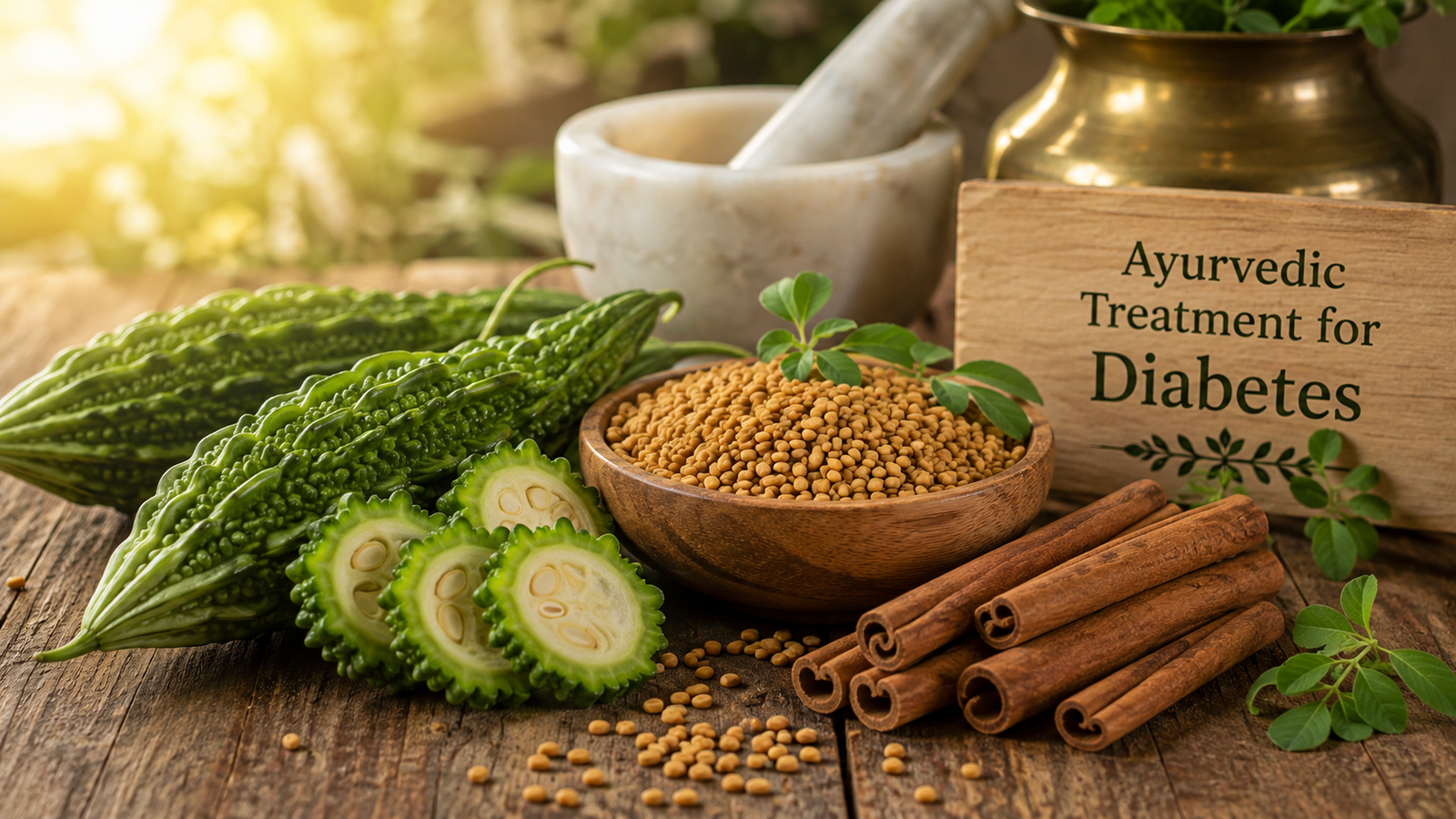
Understanding Diabetes the Ayurvedic Way: What Is Madhumeha?

In classical Ayurvedic texts, diabetes is known as Madhumeha, and it is classified among the twenty types of Prameha (urinary disorders). It is directly linked to poor lifestyle choices, excess Kapha dosha, and impaired Agni (digestive fire).

What sets the Ayurvedic understanding apart is its scope. Ayurveda views diabetes not merely as a blood sugar issue, but as a systemic breakdown in metabolic regulation — one that affects digestion, tissue nourishment, and the body’s ability to process nutrients at every level. This is why an isolated focus on blood sugar numbers often falls short of addressing the full picture, and why our approach at Dr. Narkhede Ayurved & Panchkarma Clinic looks at the person as a whole.

The Role of Panchakarma in Diabetes Management

Panchakarma plays a supportive role alongside conventional diabetes management — it is designed to work in partnership with your existing medical care, not in place of it. Depending on your individual constitution and current health status, our physicians may recommend a combination of the following therapies:

Virechana (Therapeutic Purgation)

Virechana helps eliminate accumulated toxins (Ama) that interfere with insulin sensitivity. By clearing these toxins from the digestive tract, this therapy supports the body’s underlying metabolic function, which is often compromised long before blood sugar levels rise.

Basti (Medicated Enema)

Basti therapy nourishes and balances Vata dosha, which governs both the nervous system and pancreatic function. Since Vata plays a central regulatory role in the body, correcting its imbalance is considered essential to restoring healthy glucose metabolism over time.

Udvartana (Herbal Powder Massage)

Udvartana, a vigorous massage using dry herbal powders, can help reduce excess fat that contributes to insulin resistance. This therapy is particularly useful for patients whose diabetes is closely linked to excess body weight.

As with all Panchakarma protocols, these therapies are administered only after a detailed assessment of your health history, current medications, and dosha constitution — diabetes management requires especially careful, individualized planning.

Herbal Support for Healthy Glucose Metabolism

Ayurveda has a long tradition of using specific herbs to support healthy blood sugar levels. At our clinic, we commonly incorporate:

  • Karela (Bitter Gourd) — widely valued for supporting healthy glucose metabolism
  • Jamun Seed Powder — traditionally used to support pancreatic function
  • Methi (Fenugreek) — known to support insulin sensitivity
  • Neem — supports overall metabolic and digestive health
  • Gudmar (Gymnema sylvestre) — literally translating to “sugar destroyer,” this herb is a cornerstone of Ayurvedic diabetes care

These herbs are typically combined into personalized formulations based on the individual’s dosha constitution — we do not believe in a generic, one-size-fits-all herbal protocol, and your formulation will be tailored specifically to you.

Dietary Guidance for Stable Blood Sugar

Diet is one of the most powerful tools in managing Madhumeha. Our dietary guidance for diabetes patients typically emphasizes:

  • Low-glycemic, fiber-rich foods that release glucose slowly into the bloodstream
  • Avoiding refined sugar and heavy, oily meals, which aggravate Kapha and burden digestion
  • Eating at consistent times each day to stabilize digestion and support the body’s natural metabolic rhythm

These aren’t temporary dietary restrictions — they’re sustainable shifts designed to work alongside your body’s needs for the long term.

Movement and Yoga for Better Glucose Control

Physical activity is a cornerstone of Ayurvedic diabetes management. We commonly recommend:

  • Regular walking after meals, which helps regulate post-meal blood sugar spikes
  • Kapalbhati, a breathing practice believed to improve circulation and stimulate abdominal organs
  • Vakrasana, a seated twisting yoga posture believed to support pancreatic activity

These practices are simple enough to build into a daily routine, yet consistent enough over time to meaningfully support your metabolic health.

A Complementary, Not Alternative, Approach

It’s important to note that Ayurvedic treatment for diabetes should complement, not replace, prescribed medical care. Diabetes is a serious condition that requires consistent monitoring, and any changes to medication should only ever be made in consultation with your treating physician.
At Dr. Narkhede Ayurved & Panchkarma Clinic, we believe the most balanced, safe approach to long-term blood sugar management comes from working with both an endocrinologist and a qualified Ayurvedic practitioner — combining the strengths of modern diagnostics with the depth of Ayurveda’s systemic, root-cause healing.

Take the Next Step Toward Balanced Health

If you’re looking to support your diabetes management with a personalized, root-cause approach, our team at Dr. Narkhede Ayurved & Panchkarma Clinic is here to help — always in coordination with your existing medical care.

Ready to explore Ayurvedic support for your diabetes management? Book a consultation with our Ayurvedic physicians today.

ayurvedic treatment for arthritis

Ayurvedic treatment for Arthritis

Ayurvedic Treatment for Arthritis: Natural Relief from Joint Pain

Arthritis, known in Ayurveda as Sandhivata, is one of the most common joint disorders affecting millions of people worldwide. It occurs when aggravated Vata dosha dries out the synovial fluid that lubricates the joints, leading to pain, stiffness, swelling, and reduced mobility — most often in the knees, fingers, hips, and spine. While modern medicine typically manages arthritis with long-term anti-inflammatory drugs and painkillers, Ayurveda offers a time-tested, holistic alternative that addresses the root cause rather than just the symptoms.

Understanding Arthritis Through the Ayurvedic Lens

In Ayurveda, every joint disorder is examined through the lens of the three doshas — Vata, Pitta, and Kapha. Sandhivata is primarily a Vata-dominant condition. Vata governs all movement in the body, including the motion of joints, and when it becomes aggravated, it draws moisture out of the tissues it passes through. This is why arthritic joints often feel dry, stiff, and rough, rather than warm and swollen as seen in inflammatory conditions dominated by Pitta.

Because Vata is inherently light, dry, cold, and mobile, an imbalance manifests exactly as these qualities suggest: dryness in the joint capsule, coldness that makes symptoms worse in winter, and instability that shows up as cracking or grinding sounds during movement.

Causes and Symptoms

Ayurveda attributes the development of arthritis to a combination of internal and external factors:

  1. Poor digestion (Agnimandya): When the digestive fire is weak, food is not properly metabolized, leading to the formation of Ama — a sticky, toxic byproduct that circulates through the body and settles in weak or vulnerable joints.
  2. Accumulation of toxins (Ama): Ama combines with aggravated Vata to clog the channels (srotas) that nourish joint tissue, worsening stiffness and pain over time.
  3. Sedentary lifestyle: Lack of movement reduces circulation to the joints and allows Vata to stagnate, accelerating degeneration.
  4. Cold and dry weather: Since Vata shares these same qualities, cold climates and dry seasons are known to intensify arthritic symptoms.
  5. Irregular eating habits: Skipping meals, eating at inconsistent times, and consuming excessive cold or raw food all disturb Agni and aggravate Vata simultaneously.

The resulting symptoms are easy to recognize: cracking or popping sounds in the joints, stiffness that is most pronounced in the morning or after periods of rest, visible swelling around the affected joint, and pain that intensifies with movement, cold exposure, or damp weather.

Ayurvedic Treatment Approach

The Ayurvedic management of arthritis follows three simultaneous goals: pacifying aggravated Vata, restoring digestive strength so that Ama is no longer produced, and nourishing the depleted joint tissues.

A range of classical herbs are used to achieve this:

  1. Guggulu – One of the most celebrated herbs in Ayurvedic joint care, Guggulu is renowned for its ability to reduce swelling, ease pain, and improve joint mobility. Its resin has natural anti-inflammatory and lipid-clearing properties that support long-term joint health.
  2. Shallaki (Boswellia serrata) – Widely researched for its cartilage-protective and anti-inflammatory effects, Shallaki helps slow joint degeneration and reduce pain intensity.
  3. Rasna – A traditional analgesic herb specifically indicated for Vata-related joint and muscular pain.
  4. Ashwagandha – An adaptogen that strengthens tissue, reduces stress-related inflammation, and supports overall vitality, which is especially valuable for patients dealing with the fatigue that often accompanies chronic arthritis.
  5. Nirgundi – Known for its anti-inflammatory and analgesic action, Nirgundi is commonly used both internally and as an external oil for direct joint application.

These herbs are typically prescribed in combination, tailored to the individual’s constitution and the severity of their condition, rather than as a one-size-fits-all formula.

The Role of Panchakarma in Arthritis Management

Panchakarma therapies form the true cornerstone of Ayurvedic arthritis treatment, offering benefits that herbal medicine alone cannot achieve.

Abhyanga, a full-body warm oil massage using medicated Vata-pacifying oils, is typically the first step. The warmth and steady pressure improve circulation, soften stiff tissue, and begin drawing out accumulated toxins from the joints.

Swedana, herbal steam therapy, is performed immediately after Abhyanga. The combination of oil and heat works synergistically — the oil lubricates and nourishes while the steam opens the channels, allowing deeper penetration of therapeutic compounds and further loosening stiff, restricted joints.

Basti, or medicated enema therapy, is considered the single most effective Panchakarma treatment for Vata disorders, including arthritis. Since the colon is regarded in Ayurveda as the primary seat of Vata, administering herbal oils and decoctions through Basti corrects the dosha imbalance at its source, nourishing depleted tissues from within rather than only treating the joints locally.

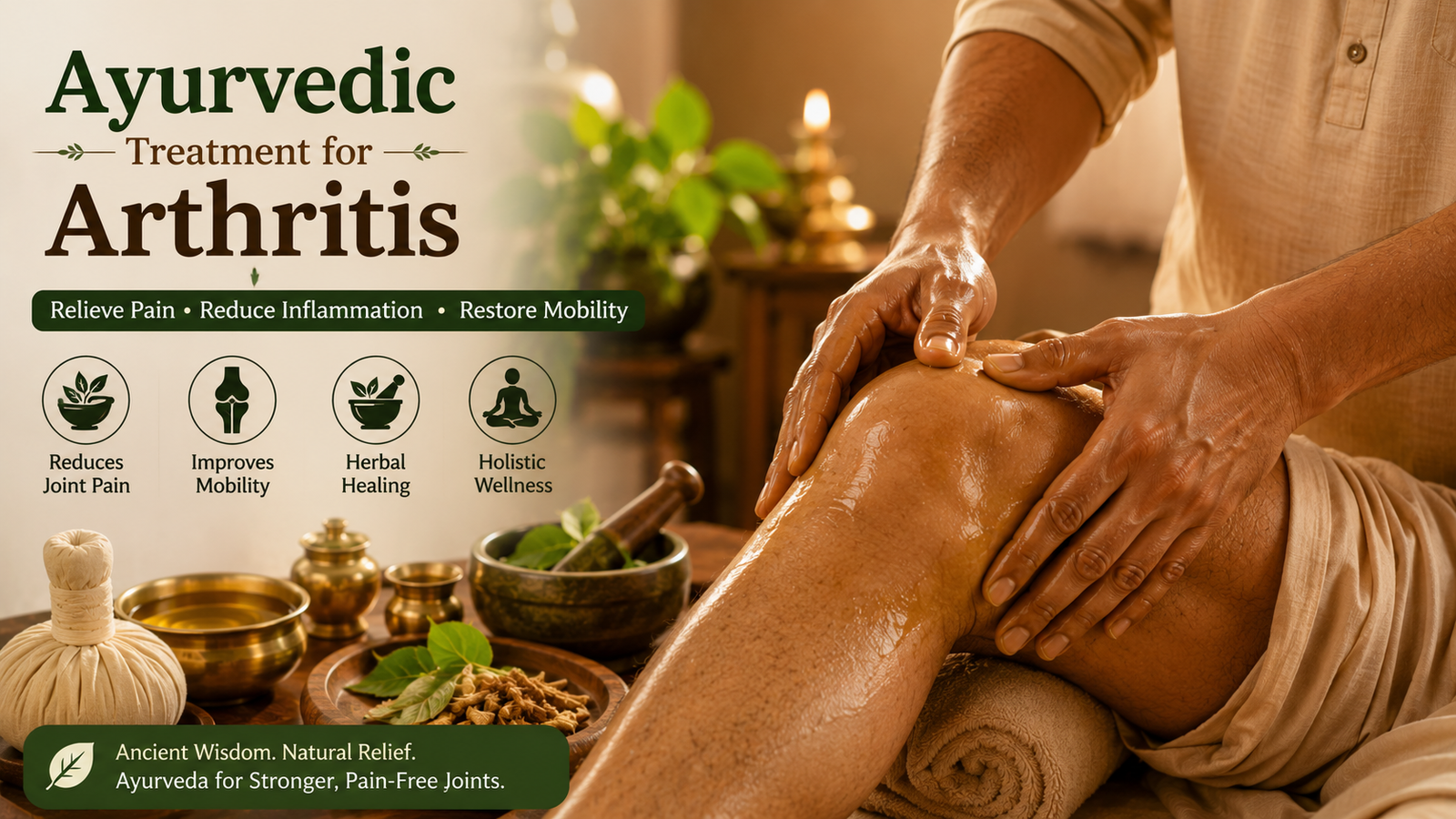
For arthritis affecting the knees specifically, Janu Basti is an invaluable localized therapy. A ring of dough is built around the knee joint and filled with warm medicated oil, which is retained for 30–45 minutes. This allows concentrated, deep absorption of therapeutic oil directly into the joint capsule — something a general massage cannot replicate.

Diet and Lifestyle for Long-Term Relief

Diet plays a central role in preventing the recurrence of Ama and supporting joint nourishment. Warm, freshly cooked, easily digestible meals are strongly preferred over cold, raw, or heavily processed foods, which tend to weaken digestion and aggravate Vata. Ginger, turmeric, and garlic should be included in the daily diet — each offers natural anti-inflammatory action while also kindling digestive fire.

Alongside dietary correction, gentle yoga and joint mobility exercises help maintain flexibility without overstraining fragile joints, while adequate rest allows the body’s natural repair processes to function optimally. Avoiding excessive cold exposure, particularly to the affected joints, is equally important, especially during colder months when Vata aggravation peaks.

Conclusion

Arthritis does not have to mean a lifetime of dependence on painkillers and their associated side effects. With consistent Panchakarma therapy, targeted herbal medicine, and disciplined diet and lifestyle correction, Ayurveda offers a genuinely sustainable path to reducing joint pain, restoring mobility, and improving overall quality of life. As with any chronic condition, treatment works best when personalized — consulting a qualified Ayurvedic practitioner ensures the right combination of therapies for your specific constitution and stage of arthritis.

This article is for informational purposes only. Please consult a qualified Ayurvedic practitioner before starting any new treatment, particularly if you have an autoimmune form of arthritis or other underlying health conditions.

Ayurvedic Treatment for Hair fall

Ayurvedic Treatment for Hair Fall

Ayurvedic Treatment for Hair Fall: Understanding Khalitya and How Panchakarma Restores Hair Health

At my clinic, hair fall is one of the most common concerns patients bring to me — and it cuts across every age group. A twenty-two-year-old college student worried about a receding hairline, a new mother startled by clumps of hair in her brush, a forty-five-year-old professional battling thinning at the crown — the story changes, but the underlying pattern is often the same: stress, pollution, poor eating habits, and a body that has quietly slipped out of balance.

In Ayurveda, we don’t treat hair fall as a standalone cosmetic problem. We call it Khalitya, and we treat it as a visible signal that something deeper — usually a Pitta or Vata imbalance — needs correcting. When patients understand this shift in perspective, from “fixing the scalp” to “healing the whole system,” the treatment approach — and the results — start to make a lot more sense.

The Ayurvedic Root Cause of Hair Fall

One of the first things I explain to patients is a concept that often surprises them: in Ayurvedic physiology, hair is considered a byproduct of bone tissue, or Asthi Dhatu. This means hair health is directly tied to how well your bone and marrow tissues are being nourished through your body’s metabolic processes — it is never just about what shampoo you use.

From this foundation, two doshas play the leading roles in Khalitya:

  1. Excess Pitta generates internal heat that weakens hair follicles at the root, leading to premature shedding. This is often what’s behind sudden, heavier-than-normal hair fall, especially during periods of stress, poor diet, or hot weather.
  2. Aggravated Vata governs dryness and brittleness. When Vata is out of balance, hair loses moisture and elasticity, becoming thin, dry, and prone to breakage rather than falling out in clumps.

Layered on top of this, poor digestion and impaired nutrient absorption — what we call weak Agni — quietly starve the hair roots of the nourishment they need, no matter how nutritious your diet looks on paper. This is why I always start a hair fall consultation by asking about digestion, sleep, and stress levels, long before I ask about hair products.

Panchakarma Therapies I Recommend for Hair Fall

Once we’ve identified the dominant dosha imbalance behind a patient’s hair fall, Panchakarma gives us a set of precise, time-tested therapies to correct it — not just manage the symptom, but treat the cause.

Shirodhara A continuous, steady stream of warm medicated oil is poured over the forehead in this deeply relaxing therapy. Beyond the immediate sense of calm patients feel on the table, Shirodhara works on the nervous system to lower stress — which, in my clinical experience, is one of the single biggest modern drivers of hair fall. Many patients are genuinely surprised to learn that a therapy focused on relaxation can meaningfully impact their hair.

Nasya In Nasya therapy, medicated oil is administered through the nostrils. Ayurveda considers the nasal passage a direct gateway to the head, and this therapy is used to nourish the scalp and hair roots through the cranial channels — addressing hair health from a pathway most patients have never even considered.

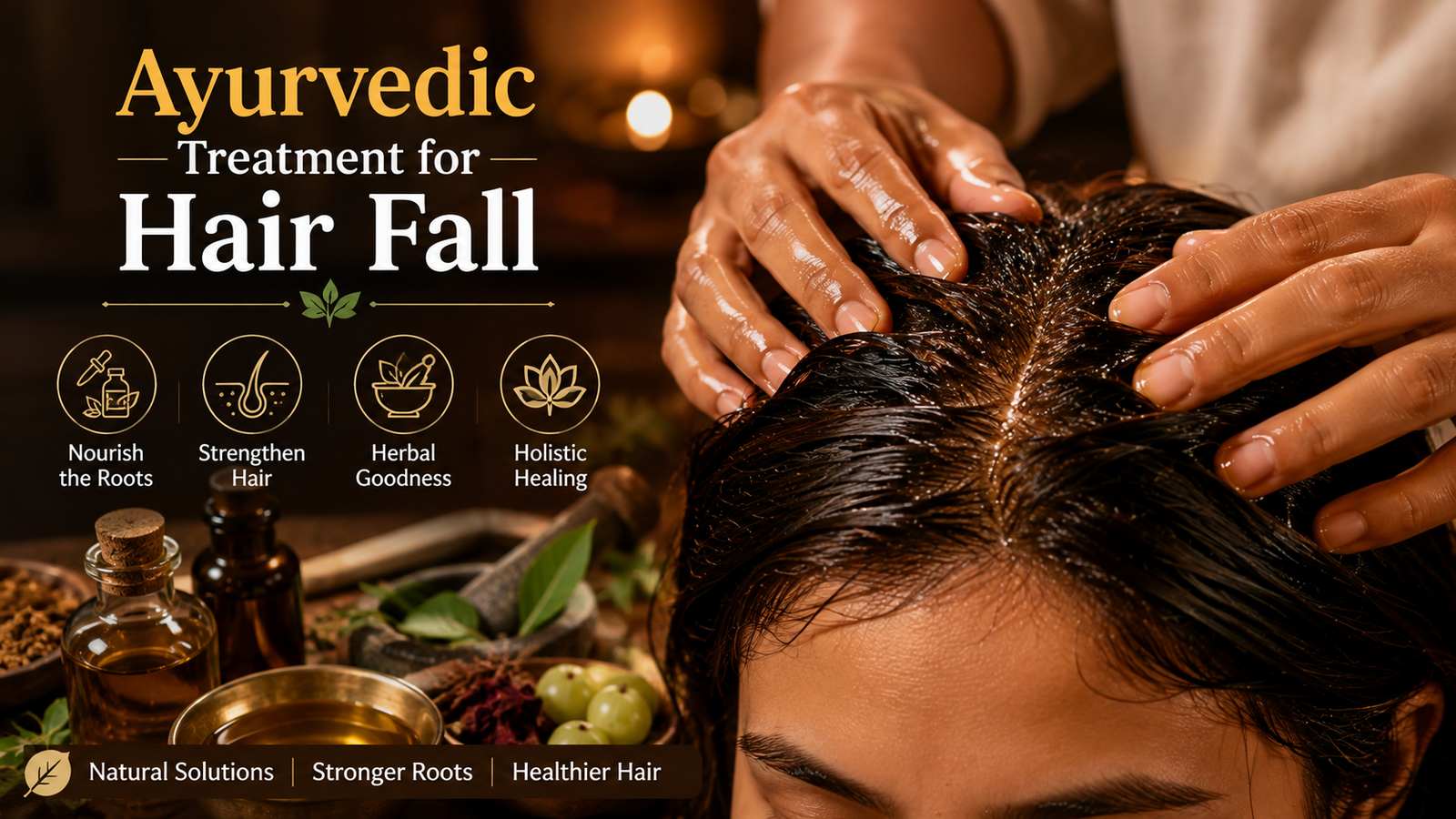
Shiroabhyanga (Scalp Massage) Regular therapeutic scalp massage with oils like Bhringraj or Brahmi is one of the most effective and accessible therapies I recommend. It improves blood circulation to the hair follicles, delivering nourishment directly where it’s needed, while also helping patients unwind — which supports the stress-reduction side of treatment too.

Virechana When I identify excess Pitta in the blood as the primary driver of a patient’s hair thinning — often indicated by scalp sensitivity, premature graying, or a history of acidity and skin heat — I recommend Virechana, a therapeutic purgation that clears this internal heat and toxin load from the system.

Herbs I Rely On for Hair Strength

Alongside Panchakarma, herbal support plays a central role in every hair fall protocol I design. Bhringraj, amla, brahmi, and hibiscus are the four herbs I return to most often — each used both internally, as part of formulations, and externally, as medicated oils applied directly to the scalp. Together, they nourish the hair root, support natural pigmentation, and strengthen the strand from within.

Diet & Lifestyle Guidance

No Panchakarma protocol works in isolation from daily habits, and I tell every patient this clearly. A protein and iron-rich diet gives the body the raw material it needs to rebuild hair tissue, while consistent stress management and adequate sleep protect the hormonal and nervous-system balance that keeps hair fall in check. Patients who commit to these alongside their in-clinic therapies consistently see faster, more lasting improvement.

A Whole-Body Approach, Not a Quick Fix

Hair fall is rarely just a scalp problem — and that’s the core philosophy I bring to every case at Dr. Narkhede Ayurved & Panchkarma Clinic. Rather than reaching for a topical serum that treats the surface, our Panchakarma-based approach looks at the whole body — digestion, dosha balance, stress levels, and nutrition — to address what’s actually driving the hair loss.

If you’re dealing with persistent or worsening hair fall, I’d encourage you to look beyond quick fixes and consider a treatment plan built around your individual constitution. Book a consultation at Dr. Narkhede Ayurved & Panchkarma Clinic, and let’s identify exactly what your hair is trying to tell you.

Ayurvedic treatment for Obesity

Ayurvedic Treatment for Obesity: A Natural, Root-Cause Approach to Lasting Weight Loss

Obesity has quietly become one of the most common lifestyle disorders of our generation, driven by sedentary routines, processed food, irregular sleep, and chronic stress. At Dr. Narkhede Ayurved & Panchkarma Clinic, we see this every day — patients who have tried countless diets, gym memberships, and weight-loss supplements, only to regain the weight within months. If this sounds familiar, the problem may not be a lack of willpower. It may be that the root cause was never addressed in the first place.

This is where Ayurveda offers a fundamentally different perspective — one that has helped generations manage weight not through restriction, but through restoring balance.

Understanding Obesity the Ayurvedic Way: What Is Sthaulya?

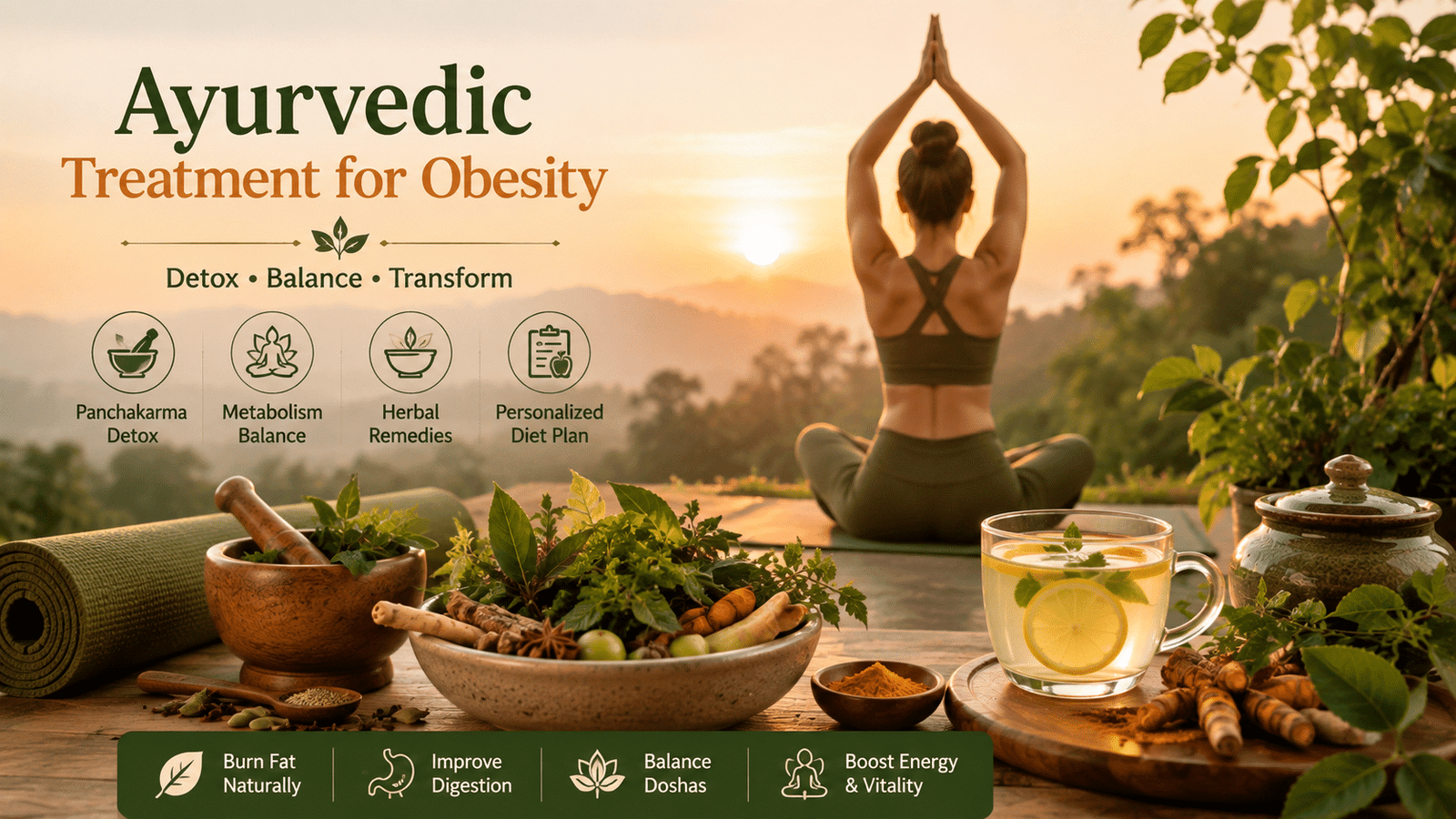
In Ayurveda, obesity is known as Sthaulya, and it is understood as an aggravation of Kapha dosha combined with a weakened digestive fire, or Agni. When Agni is weak, the body is unable to properly metabolize the fat tissue, or Meda Dhatu, leading to its excessive and disproportionate accumulation in the body.

This is a crucial distinction from the conventional “calories in, calories out” model. Rather than treating obesity as just a calorie problem, Ayurveda looks at the deeper root causes:

  • Poor digestion — undigested food converts into toxins (Ama) instead of nourishment
  • A disturbed biological clock — irregular sleep and meal timings confuse the body’s natural metabolic rhythm
  • Emotional eating patterns — stress and unprocessed emotions often drive Kapha further out of balance

When these root imbalances are corrected, weight loss becomes a natural byproduct — not a constant, exhausting battle.

Panchakarma: Ayurveda's Powerful Reset for Weight Management

At the heart of our treatment approach at Dr. Narkhede Ayurved & Panchkarma Clinic is Panchakarma, Ayurveda’s flagship detoxification protocol. Unlike crash diets that offer short-term results, Panchakarma works to reset the body’s metabolic and digestive systems from within. Depending on your individual constitution (Prakriti) and the severity of imbalance, our physicians may recommend a combination of the following therapies:

Udvartana (Herbal Powder Massage)

A vigorous, dry herbal powder massage performed against the direction of hair growth, Udvartana is specifically designed to break down subcutaneous fat and improve circulation. It also helps tone the skin and stimulate the lymphatic system, making it one of the most sought-after therapies for weight and inch loss.

Virechana (Therapeutic Purgation)

Virechana is a medically supervised purgation therapy that clears excess Kapha and accumulated toxins (Ama) from the digestive tract. By cleansing the gut at a deep level, Virechana helps restore the digestive fire and allows the body to metabolize fat more efficiently going forward.

Basti (Medicated Enema)

Basti therapy uses medicated oils or herbal decoctions to balance Vata dosha, which governs metabolism and the body’s overall regulatory functions. This therapy is particularly valuable for long-term metabolic correction, helping prevent the weight regain that so often follows conventional dieting.

Each of these therapies is customized to the patient after a detailed consultation and Prakriti assessment at our clinic — Panchakarma is never a one-size-fits-all protocol.

Herbal Support for Fat Metabolism

Alongside Panchakarma, our Ayurvedic physicians commonly prescribe classical herbal formulations to support healthy fat metabolism, including:

  • Triphala — supports digestion and gentle detoxification
  • Guggulu — traditionally used to support healthy metabolism and lipid balance
  • Vrikshamla (Garcinia cambogia) — supports appetite regulation and fat metabolism

These herbs are prescribed based on your individual dosha imbalance and are never a substitute for the deeper correction offered by Panchakarma and lifestyle change — they work best as part of a complete, personalized plan.

A Kapha-Pacifying Diet for Sustainable Weight Loss

Diet plays a central role in managing Sthaulya. At our clinic, we guide patients toward a Kapha-pacifying diet, which typically includes:

  1. Warm, light, and freshly cooked meals
  2. Minimal dairy and heavy, oily foods
  3. Reduced sugar and refined carbohydrates
  4. Favoring pungent, bitter, and astringent tastes, which help balance excess Kapha

This is not a restrictive fad diet — it’s a sustainable way of eating that supports digestion and naturally curbs the cravings that often derail weight-loss efforts.

Daily Lifestyle Habits That Support Weight Balance

Ayurveda places equal importance on Dinacharya, or daily routine, in weight management. Our physicians typically recommend:

  1. Waking before sunrise, when Kapha’s heavy, sluggish qualities are naturally lower
  2. Brisk walking, to stimulate circulation and digestion
  3. Avoiding daytime naps, which are believed to increase Kapha and slow metabolism

These small, consistent habits, layered on top of Panchakarma and dietary correction, are often what make the difference between temporary results and lasting transformation.

Why Choose Ayurvedic Weight Management Over Crash Diets?

Unlike crash diets that promise fast results but rarely last, Ayurvedic weight management focuses on sustainable change — correcting digestion first, and then gradually reducing excess tissue in a way the body can maintain. This is precisely why so many of our patients at Dr. Narkhede Ayurved & Panchkarma Clinic come to us after other approaches have failed: because we don’t just treat the number on the scale, we treat the imbalance beneath it.

Begin Your Weight Loss Journey the Ayurvedic Way

If you’ve tried multiple diets without lasting results, it may be time to look deeper. A personalized, Panchakarma-based weight management plan — guided by a certified Ayurvedic doctor — can help address the root imbalance rather than just the symptom.

At Dr. Narkhede Ayurved & Panchkarma Clinic, we begin every weight management journey with a thorough consultation to understand your unique Prakriti, digestive strength, and lifestyle before recommending a personalized combination of Panchakarma therapies, herbal support, and diet and routine guidance.

Ready to address the root cause of your weight gain? Book a consultation with our Ayurvedic physicians today and take the first step toward sustainable, lasting wellness.

ayurvedic remedies for constipation

Ayurvedic remedies for Constipation

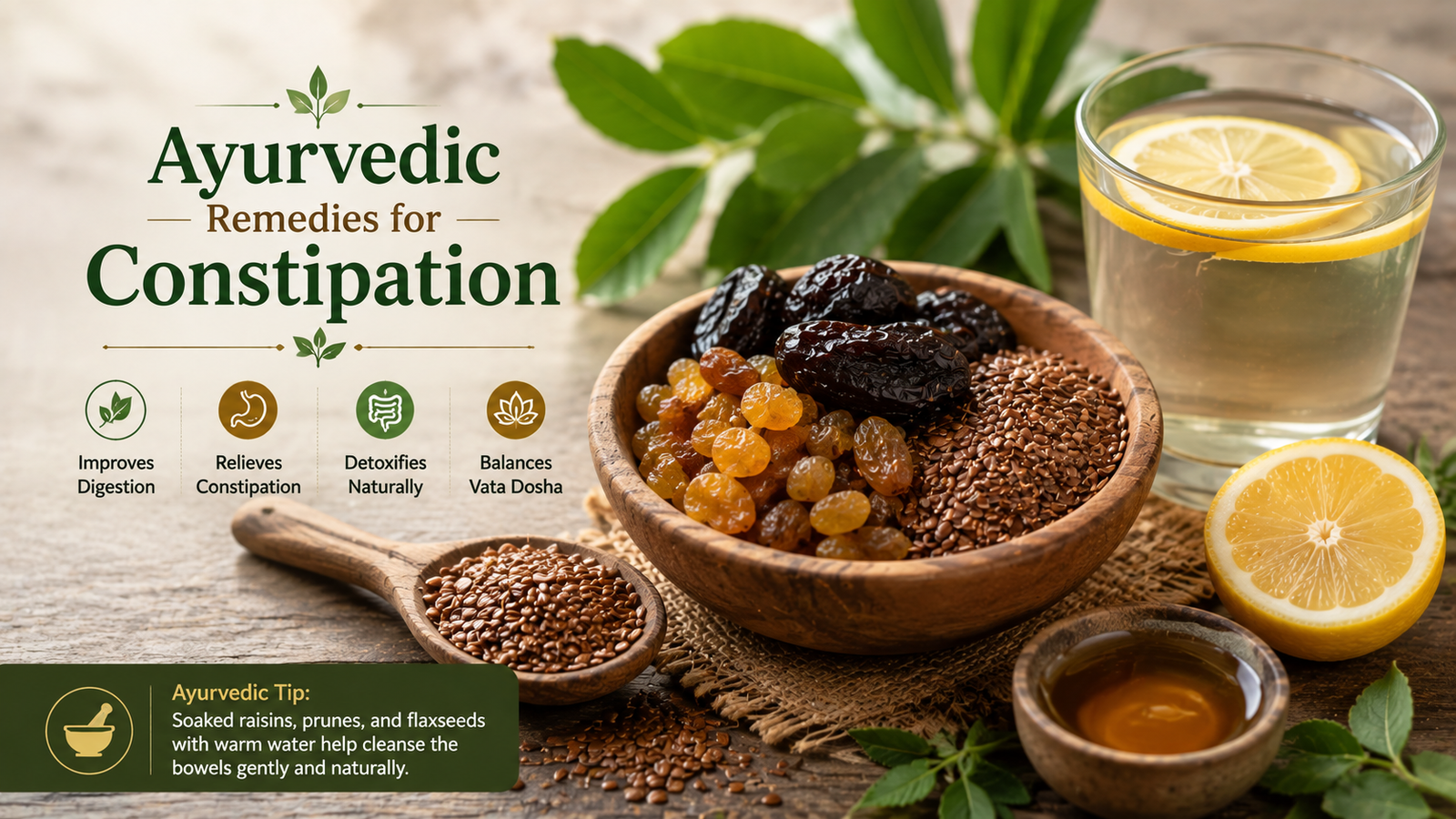
Ayurvedic Remedies for Constipation: Natural Relief for Vibandha

Constipation is one of the most common digestive complaints and can cause significant discomfort in daily life. Hard stools, infrequent bowel movements, straining, abdominal heaviness, and a feeling of incomplete evacuation are common symptoms.

In Ayurveda, constipation is known as Vibandha. It is commonly associated with an aggravation of Vata Dosha, which can cause dryness in the intestines and disturb the natural movement of Apana Vata—the force responsible for the downward elimination of waste.

Ayurvedic treatment for constipation focuses on improving digestive balance, supporting regular bowel movements, reducing dryness, and addressing the underlying lifestyle and dietary factors. When used appropriately, Ayurvedic remedies for constipation can offer a gentle and holistic approach to improving digestive health.

What Causes Constipation According to Ayurveda?

According to Ayurveda, healthy elimination depends on balanced Vata and proper digestive function. When Vata becomes aggravated, the intestines may become dry, and the natural movement of stool can slow down.

Several modern lifestyle habits can contribute to this imbalance.

Low-Fiber Diet
A diet low in fruits, vegetables, whole grains, and other fiber-rich foods can contribute to hard stools and slower bowel movement.

Dehydration
Not drinking enough fluids can make stools dry and difficult to pass. Ayurveda often recommends choosing warm or room-temperature fluids according to individual needs, especially for people with a tendency toward Vata imbalance.

Irregular Sleep & Daily Routine
Late nights, inadequate sleep, and an inconsistent daily schedule may disturb the body’s natural rhythm and digestive processes.

Excessive Dry or Cold Foods
Frequent consumption of dry, packaged, processed, or very cold foods may aggravate Vata in susceptible individuals and contribute to dryness in the digestive tract.

Stress and Anxiety
The connection between the mind and the digestive system is important. Chronic stress and anxiety can affect bowel habits and may worsen constipation in some people.

Top Ayurvedic Remedies for Constipation

1. Triphala

Triphala is one of the best-known classical Ayurvedic formulations for supporting healthy digestion and regular bowel movements. It is traditionally prepared from three fruits:

  • Amalaki
  • Haritaki
  • Bibhitaki

Triphala is often used to support gentle elimination and overall digestive health.

A commonly used traditional approach is to take approximately 1 teaspoon with warm water before bedtime, but the appropriate dose can vary depending on age, digestive strength, body type, medical conditions, and the specific product.

For regular or long-term use, it is best to consult a qualified Ayurvedic practitioner.

2. Castor Oil

Castor oil has traditionally been used as a strong natural purgative or laxative. It may stimulate bowel movements and is generally more suitable for occasional use under professional guidance.

Some traditional practices recommend a small amount at night, but castor oil should not be used routinely or without medical advice. It can cause abdominal cramping, diarrhoea, and dehydration in some individuals.

Pregnant women, children, elderly individuals, and people with certain medical conditions should not use castor oil without advice from a qualified healthcare professional.

3. Ghee with Warm Milk

For constipation associated with dryness and Vata imbalance, ghee with warm milk is a traditional Ayurvedic remedy.

Ghee is traditionally believed to help provide unctuousness or lubrication, while warm milk may support smoother bowel movement in people who tolerate dairy well.

This remedy may not be suitable for everyone, particularly individuals with lactose intolerance, milk allergy, or specific digestive concerns.

4. Warm Water with Lemon

Starting the morning with warm water can be a simple way to support hydration and establish a regular morning routine. Adding a small amount of lemon is commonly used as a refreshing digestive habit.

For some people, this may help encourage a bowel movement as part of an overall healthy routine. However, people with acidity, reflux, or sensitivity to citrus should use lemon according to their individual tolerance.

Diet for Constipation: What Should You Eat?

Diet plays an important role in preventing recurrent constipation. Ayurveda generally emphasizes freshly prepared, nourishing foods that are suitable for an individual’s digestive capacity and body constitution.

Include Fiber-Rich Fruits

Fruits can help increase dietary fiber and support healthy bowel movements. Good options may include:

  1. Papaya
  2. Figs
  3. Pears
  4. Apples
  5. Prunes
  6. Seasonal fruits

Soaked figs or raisins are also traditionally included in some dietary routines for supporting regular elimination.

Drink Adequate Fluids

Proper hydration is essential for maintaining softer stools. Drink adequate water throughout the day according to your body’s needs.

For people who prefer Ayurveda-based routines, warm water may be more comfortable than excessive intake of ice-cold beverages, particularly when Vata symptoms are prominent.

Include Healthy Fats

Appropriate amounts of healthy fats, including ghee where suitable, may help reduce excessive dryness in the diet.

Choose Freshly Prepared Foods

Freshly cooked meals with vegetables, whole grains, soups, and suitable sources of fiber can support healthy digestion.

Foods and Habits to Limit

If you frequently experience constipation, try to reduce:

  1. Highly processed foods
  2. Excessive refined flour products
  3. Very dry foods
  4. Excessive junk food
  5. Frequent cold or iced drinks if they worsen your digestion
  6. Irregular meal timings
  7. Overeating or skipping meals

The right dietary approach can vary from person to person. A personalized Ayurvedic consultation can help identify foods that may be contributing to your digestive symptoms.

Lifestyle Tips for Natural Constipation Relief

Stay Physically Active

Regular walking and physical activity can support normal bowel function. Even a simple daily walk can be beneficial as part of a healthy lifestyle.

Follow a Regular Toilet Routine

Try to give yourself enough time for bowel movements each day. Avoid repeatedly ignoring the natural urge to pass stool.

Establishing a consistent morning routine may help support regularity over time.

Avoid Excessive Straining

Do not force or excessively strain during a bowel movement. If constipation is frequent, focus on identifying and addressing the underlying cause.

Manage Stress

Stress can affect digestive and bowel function. Yoga, meditation, breathing exercises, adequate sleep, and regular relaxation may help support overall digestive wellness.

Maintain Regular Sleep

A consistent sleep schedule supports the body’s natural rhythms. Late nights and irregular sleep patterns may negatively affect digestion and elimination.

An Ayurvedic Approach to Chronic Constipation

Occasional constipation may improve with dietary changes and simple lifestyle measures. However, recurrent constipation requires a more individualized approach.

At Dr. Narkhede Ayurved & Panchkarma Clinic, Ayurvedic management focuses on understanding the person’s:

  1. Prakriti or body constitution
  2. Vata, Pitta, and Kapha balance
  3. Digestive strength or Agni
  4. Dietary habits
  5. Daily routine
  6. Stress and sleep patterns
  7. Nature and duration of constipation

Depending on the individual assessment, an Ayurvedic practitioner may recommend personalized dietary guidance, suitable herbal formulations, lifestyle modifications, and other appropriate therapies.

The goal is not simply to force a bowel movement but to support healthier digestion and regular elimination while addressing contributing factors.

Final Thoughts

Constipation, or Vibandha, is often linked in Ayurveda to aggravated Vata, dryness, disturbed daily routines, and weakened digestive balance. A holistic approach that includes proper hydration, fiber-rich foods, regular physical activity, stress management, and suitable Ayurvedic remedies may help support healthier bowel movements.

Traditional options such as Triphala, ghee with warm milk, and warm water can be useful for some individuals when used appropriately. However, the best treatment depends on the cause and the individual.

If constipation is frequent or persistent, a personalized consultation is important to understand the root cause and choose a safe and suitable treatment plan.

Dr. Sagar Narkhede

ayurvedic treatment for acne

Ayurvedic treatment for Acne

Ayurvedic Treatment for Acne: Healing Skin From the Root

Acne is one of the most common skin concerns I see at my clinic — it affects teenagers navigating hormonal changes and adults dealing with stress, poor diet, or hormonal imbalance well into their 30s and 40s. Most patients who come to me have already tried multiple topical creams, face washes, and dermatological treatments, often with only temporary results.

That’s because modern dermatology largely treats acne from the outside in — targeting the pimple itself with chemical exfoliants, antibiotics, or drying agents. In my practice, I take a different approach. Ayurvedic treatment for acne looks at why the skin is breaking out in the first place, not just how to suppress the visible symptom.

Understanding Acne Through an Ayurvedic Lens

In Ayurveda, acne — referred to as Yauvana Pidika — is understood as an imbalance primarily involving Pitta and Kapha doshas. Pitta governs heat, metabolism, and transformation in the body; when it’s aggravated, it increases inflammation, redness, and the burning, angry quality of active breakouts. Kapha, on the other hand, governs oiliness and structure; when Kapha is out of balance, it leads to excess sebum production and clogged pores.

Layered on top of this dosha imbalance is ama — a Sanskrit term for undigested toxins that accumulate in the body due to weak digestion (Agni). When ama builds up in the bloodstream, it often surfaces through the skin as inflammation, breakouts, and slow-healing blemishes. This is why I always ask new patients about their digestion, stress levels, and eating habits before I ever look at their skin — because in Ayurveda, clear skin genuinely starts in the gut.

How I Approach Acne Treatment at My Clinic

Every patient’s constitution (Prakriti) is different, so treatment is never one-size-fits-all. That said, there are a few pillars I rely on consistently:

1. Blood and Skin Purification Herbs like neem and manjistha are central to my treatment protocols. Neem’s antibacterial and blood-purifying properties help calm active inflammation and prevent new breakouts, while manjistha works internally to purify the bloodstream — addressing the deeper toxicity that drives recurring acne.

2. Reducing Pitta-Driven Inflammation Turmeric, combined with cooling agents like sandalwood, helps calm the heat and redness associated with Pitta-type acne. I often recommend this as part of a topical face pack alongside internal Pitta-pacifying dietary changes.

3. Correcting Digestion Since ama plays such a central role, I frequently prescribe Triphala to support healthy digestion and gentle detoxification. Patients are often surprised at how much their skin improves once their digestive fire is restored.

4. Panchakarma for Chronic or Hormonal Acne For patients with long-standing or hormonal acne that hasn’t responded to milder treatments, I recommend Panchakarma therapies, particularly Virechana (therapeutic purgation), performed under close clinical supervision at our center. This deep detoxification addresses the root toxin load in a way that topical treatment alone simply cannot.

Diet and Lifestyle Guidance I Give My Patients

Alongside herbal treatment, I counsel every acne patient on the following:

  1. Avoid fried, spicy, and processed foods, which aggravate Pitta and worsen breakouts
  2. Start the day with warm water and lemon to support natural detoxification
  3. Include bitter and astringent foods like bitter gourd and pomegranate, which help purify the blood
  4. Practice Pranayama and stress-reduction techniques, since stress is a well-documented acne trigger

Why Patience Matters

I’m upfront with every patient: ayurvedic treatment for acne is not an overnight fix. Unlike a chemical spot treatment that suppresses a single pimple, this approach works to rebalance the body’s internal systems — which takes time, typically several weeks to a few months, depending on the severity and chronicity of the condition. What patients gain in return is a resolution that lasts, along with healthier skin overall, rather than a cycle of breakouts returning the moment treatment stops.

If you’ve been struggling with persistent acne despite trying conventional treatments, I’d encourage you to consider addressing it from the root. At Dr. Narkhede Ayurved & Panchkarma Clinic, we assess your unique constitution, digestive health, and lifestyle to build a treatment plan suited specifically to you — not a generic protocol.

Book a consultation with Dr. Sagar Narkhede to begin your journey toward clear, healthy skin the Ayurvedic way.

Ayurvedic Treatment for Acne Kasarvadavali.