Uncategorized

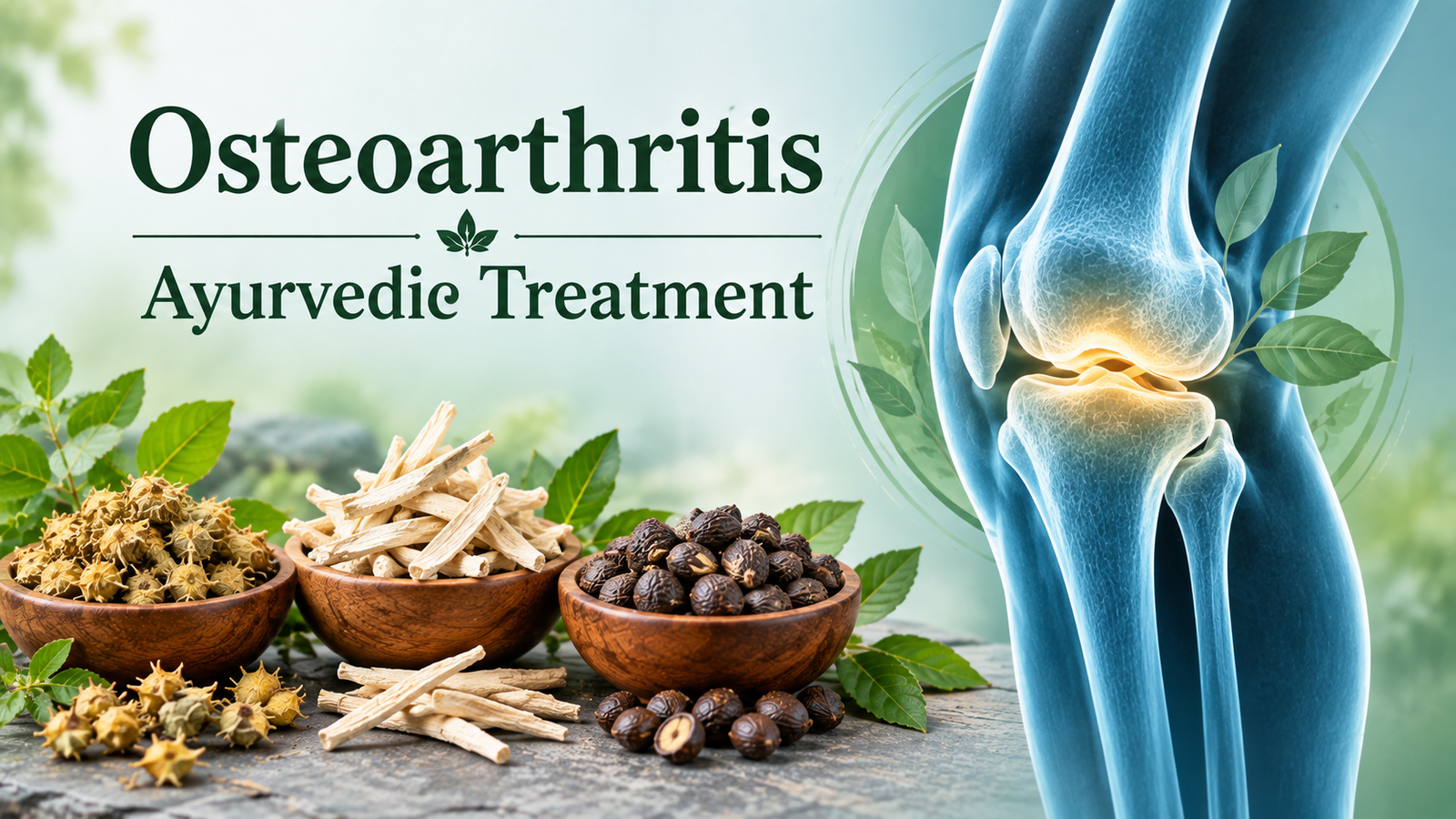
Osteoarthritis Ayurvedic Treatment

Osteoarthritis Ayurvedic Treatment: Restoring Joint Health Naturally

Osteoarthritis (OA) is a degenerative joint condition caused by the gradual wearing down of cartilage, leading to bone-on-bone friction, pain, and reduced flexibility. It’s the most common form of arthritis, typically affecting the knees, hips, hands, and spine as people age. In Ayurveda, this condition falls under Sandhivata, caused by an imbalance of Vata dosha that depletes joint lubrication, known as Sleshaka Kapha. Where conventional medicine largely manages OA through pain relief and eventual joint replacement, Ayurveda offers a therapeutic path aimed at slowing degeneration and restoring the joint’s natural cushioning.

Osteoarthritis Ayurvedic Treatment: Restoring Joint Health Naturally

Osteoarthritis (OA) is a degenerative joint condition caused by the gradual wearing down of cartilage, leading to bone-on-bone friction, pain, and reduced flexibility. It’s the most common form of arthritis, typically affecting the knees, hips, hands, and spine as people age. In Ayurveda, this condition falls under Sandhivata, caused by an imbalance of Vata dosha that depletes joint lubrication, known as Sleshaka Kapha. Where conventional medicine largely manages OA through pain relief and eventual joint replacement, Ayurveda offers a therapeutic path aimed at slowing degeneration and restoring the joint’s natural cushioning.

Understanding the Root Cause

Unlike conventional medicine, which primarily targets symptoms once cartilage loss has already occurred, Ayurveda looks upstream to the factors that dry out and deplete the joint in the first place. Every joint relies on Sleshaka Kapha — a specific subtype of Kapha dosha responsible for maintaining synovial fluid and cartilage integrity. When Vata becomes aggravated, its dry, light, and mobile qualities directly oppose and diminish this lubricating Kapha, leaving the joint vulnerable to friction and wear.

Several factors are considered major contributors to this imbalance:

  • Weak digestion (Agnimandya): Poor metabolic fire prevents proper tissue nourishment, meaning cartilage doesn’t receive the nutrients it needs to repair and regenerate.
  • Aging: As a natural life stage governed by Vata (the Vata-predominant phase of life, or Vata Kala), the body’s tissues naturally become drier and more prone to degeneration with age.
  • Obesity: Excess body weight places continuous mechanical stress on weight-bearing joints, accelerating cartilage breakdown.
  • Repetitive joint stress: Occupational overuse, high-impact activity, or old injuries can wear down specific joints faster than the body can repair them.

Herbal Treatment

Ayurvedic herbal therapy for osteoarthritis focuses on three simultaneous actions: protecting existing cartilage, reducing inflammation, and strengthening the surrounding musculoskeletal tissue.

  • Shallaki (Boswellia serrata) is the primary herb used for cartilage protection. Its active compounds help maintain joint structure and slow further degeneration, making it especially valuable in the earlier stages of OA.
  • Guggulu provides strong anti-inflammatory action, helping to reduce the swelling and discomfort that often accompany worn, irritated joints.
  • Ashwagandha supports overall tissue strength and resilience, helping the body better withstand the mechanical stress that contributes to cartilage wear.

Externally, medicated oils play an equally important role in daily management. Mahanarayan Taila, a classical Vata-pacifying oil, and Sahacharadi Taila, known for its specific benefit to joints and nerves, are commonly used for daily self-massage to keep tissues lubricated between clinical Panchakarma sessions.

Panchakarma Therapies for Osteoarthritis

Panchakarma remains the most powerful tool in the Ayurvedic approach to osteoarthritis, offering therapeutic depth that oral herbs and home massage cannot match on their own.

  • AbhyangaSwedana: Warm oil massage (Abhyanga) is performed first to lubricate and soften stiff tissue, followed immediately by herbal steam therapy (Swedana). Together, they relax stiff joints, improve local circulation, and prepare the body for deeper therapies.
  • Janu Basti: For knee osteoarthritis — one of the most commonly affected joints — a dam of dough is built around the knee and filled with warm medicated oil. This allows the oil to be retained directly over the joint for an extended period, deeply nourishing the cartilage and surrounding capsule in a way that surface massage cannot achieve.
  • Patra Pinda Sweda: A herbal leaf poultice, warmed and bundled into boluses, is used to massage affected joints. This therapy effectively reduces inflammation and pain while also improving local tissue circulation.
  • Basti Karma: Medicated enemas correct Vata imbalance at its root in the colon, addressing the systemic dosha disturbance that drives joint degeneration rather than only treating the local symptoms.

Diet Recommendations

Diet is a foundational pillar of osteoarthritis management in Ayurveda, since ongoing joint nourishment depends heavily on what is consumed and how well it is digested. An anti-inflammatory diet built around warm soups, ghee, and Vata-pacifying spices such as cumin, ginger, and fenugreek helps support joint lubrication while keeping digestive fire strong.

Certain habits are best avoided altogether: cold drinks and iced beverages aggravate Vata directly, curd eaten at night is considered particularly heavy and Kapha-disturbing in Ayurvedic dietetics, and excessive fasting can weaken tissue nourishment over time, worsening the very dryness osteoarthritis patients need to correct.

Lifestyle Tips

Movement remains essential for joint health, but it must be the right kind of movement. Low-impact exercises like swimming and walking allow joints to stay mobile and well-circulated without the jarring stress that aggravates cartilage wear. Joint-specific yoga asanas, practiced gently and consistently, further support flexibility and strength in the muscles surrounding affected joints.

Perhaps most importantly, regular Panchakarma sessions — ideally aligned with seasonal transitions, when Vata naturally fluctuates — can significantly slow disease progression. Rather than treating osteoarthritis only when symptoms flare, this proactive, seasonal approach to Panchakarma helps maintain joint lubrication year-round and meaningfully improves long-term quality of life for osteoarthritis patients

Chaitali

Share
Published by
Chaitali

Recent Posts

Ayurvedic treatment for Dandruff

Ayurvedic Treatment for Dandruff: Understanding Darunaka and How Panchakarma Restores Scalp Balance Persistent white flakes…

1 week ago

Ayurvedic treatment for Bloating and Gas

Ayurvedic Treatment for Bloating and Gas — Say Goodbye to Discomfort That tight, heavy feeling…

2 weeks ago

Ayurvedic treatment for Psoriasis

Ayurvedic Treatment for Psoriasis: A Root-Cause Approach with Panchakarma Psoriasis is one of the most…

2 weeks ago

Ayurvedic treatment for Diabetes

Ayurvedic Treatment for Diabetes: Restoring Balance Beyond Blood Sugar Diabetes is one of the most…
3 weeks ago

Ayurvedic treatment for Arthritis

Ayurvedic Treatment for Arthritis: Natural Relief from Joint Pain Arthritis, known in Ayurveda as Sandhivata,…

4 weeks ago

Ayurvedic Treatment for Hair Fall

Ayurvedic Treatment for Hair Fall: Understanding Khalitya and How Panchakarma Restores Hair Health At my…

1 month ago